How to Measure Hat Size
Head circumference is the physical reference behind most hat-size charts.
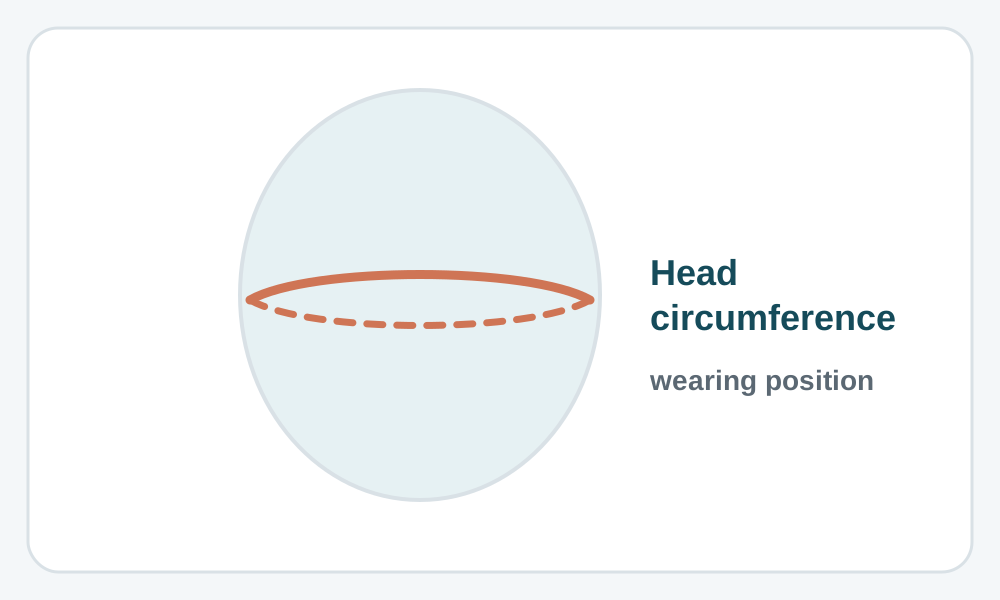
Measure where the hat will actually sit
Wrap a flexible tape around the head at the position where the sweatband of the hat will rest. For many styles, that is slightly above the eyebrows and ears, but the exact placement can change with how you prefer to wear the hat.
Keep the tape level and comfortably snug. Do not pull it tight enough to compress the head or hair.
Repeat and record the circumference
Take the measurement at least twice. If the readings differ, repeat until you get a consistent result and record it in centimeters or inches before converting to a fitted fraction or letter size.
A physical circumference is more useful than guessing from another hat because structured caps, western hats, flexible bands, and fashion hats can all use different fit conventions.
What to do between sizes
If the circumference falls between chart rows, consider the material and adjustment system. A rigid fitted hat may need a different decision than an adjustable cap or a felt hat that can be shaped.
When the maker provides a chart, use it as the final reference because crown shape and manufacturing tolerance can make two hats with the same nominal size feel different.
How this guidance is checked
These sources support the measurement method and help check real-world variation. They are not presented as one universal brand-size table.
- New Era Fitted Caps Size Chart — New Era. Fitted-cap circumference cross-check and evidence that label CM values can differ from measured head circumference.
- Men Size Guide — H&M. Cross-check for men’s EU/US clothing, chest and waist ranges, trousers, jackets, and suit-style numeric references.
Frequently asked questions
Should I size up if I am between hat sizes?
Often the slightly larger option is easier to adjust, but material and hat construction matter. Follow the manufacturer’s advice when it is available.
See something that looks wrong? Report an issue.